
Health
Minnesota health insurance rates could jump as much as 21%
By Marcus Chen
KSTP 5
Advertisement · Why this ad?
Katherine oversees editorial operations across all six brands. Before joining The Meridan Group, she spent 14 years at the Minneapolis Star Tribune, where she led the metro desk through its digital transformation. She holds a Master's in Journalism from Northwestern's Medill School.
More from Katherine →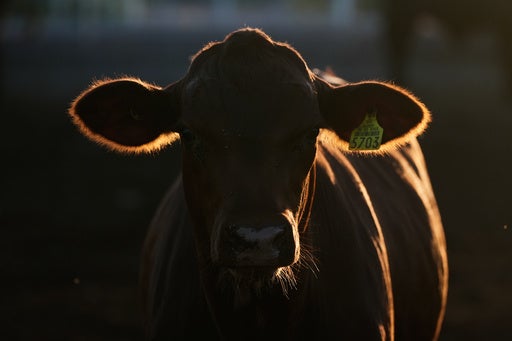
With the all-clear from U.S. agriculture inspectors, Mexican cattle began moving on Monday through a border crossing in New Mexico that had been closed for nearly two years as both nations work to stop the flesh-eating New World screwworm from spreading. The screwworm — actually a fly larva that burrows into the flesh of livestock, pets and even humans — has threatened the $113 billion U.S. cattle industry. Containment efforts have cost jobs and trade in border communities, and it cut off a source of cattle as the U.S. struggles to rebuild drought-depleted herds. Reopening crossings could help ease that squeeze, although experts caution that shoppers shouldn t expect quick relief on beef prices. The port at Columbus, New Mexico, is the third to resume Mexican cattle imports under new safeguards, which include tests, shots and inspections that happen before an animal even gets close to the border. Officials and ranchers in the two countries say layers of treatment and inspection give
By Marcus Chen
KSTP 5

By Katherine Langford
KSTP 5

By Katherine Langford
KSTP 5
By Marcus Chen
KSTP 5