
Community
Florida Learjet crash: Tail part detached before impact, NTSB says
By Katherine Langford
Advertisement · Why this ad?
Marcus manages the day-to-day editorial workflow across all brands, coordinating coverage assignments and ensuring editorial standards are met. He previously served as city editor at the Pioneer Press and holds a degree in Political Science from Carleton College.
More from Marcus →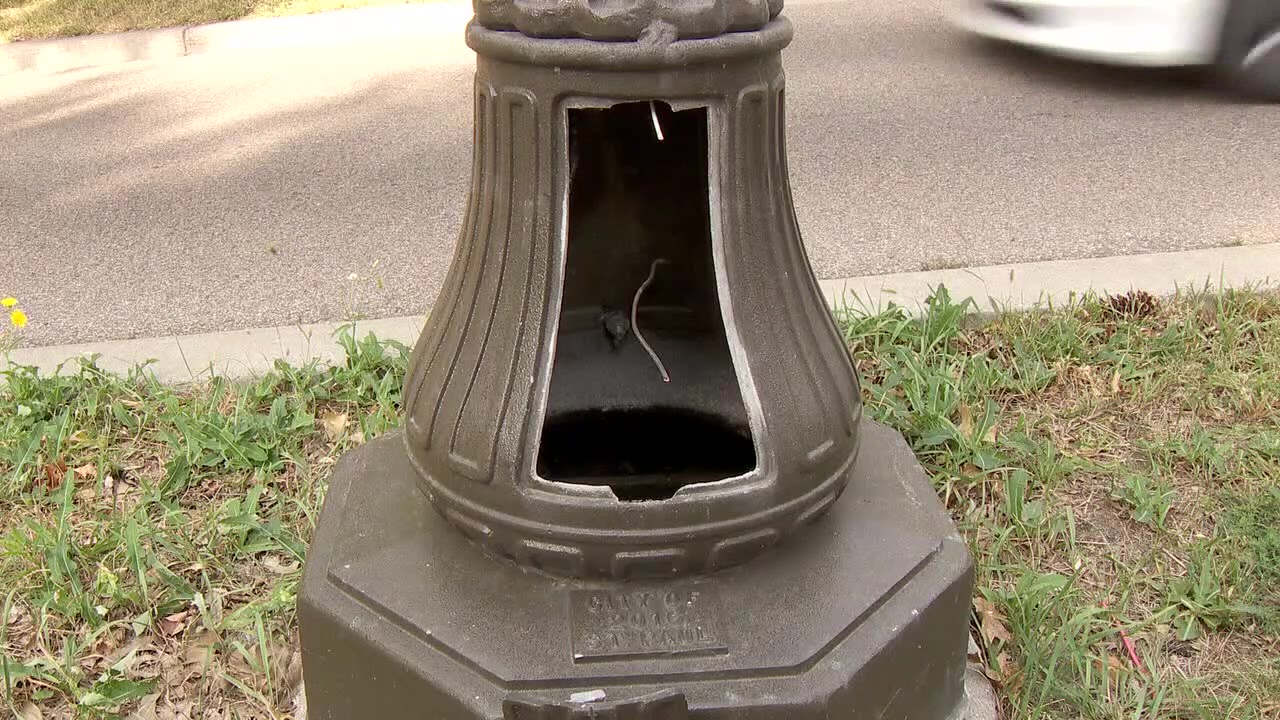
Just after dawn on a chilly November morning, a St. Paul resident spotted a man darting between fences, clutching bundles of wire. The man, identified as 35-year-old David Saw, was in the midst of yet another theft from the city’s streetlights, a crime he has committed repeatedly over the past year. In a city grappling with rising copper wire thefts, Saw's case highlights a troubling cycle of crime and punishment.
On November 1, 2026, St. Paul police responded to a report of wire theft occurring on the 200 block of Cottage Avenue. Officers arrived to find Saw fleeing the scene, prompting a brief chase. He eventually surrendered, leading officers to a black garbage bag filled with stolen wire. This incident marked Saw's sixth arrest for similar offenses within the last year.
Prior to this arrest, Saw had been apprehended five times since August 2025 for stealing copper wire from streetlights. Each arrest involved witnesses reporting his suspicious activities, with police consistently finding burglary tools and stolen wire in his possession. The pattern of behavior raises questions about the effectiveness of the legal system in addressing repeat offenders.
Copper wire theft has become a significant issue in St. Paul, with municipalities across Minnesota feeling the impact. The demand for copper, driven by its high resale value, has led to an increase in thefts from public infrastructure. This type of crime not only costs local governments money but also disrupts services and endangers public safety.
The recent rise in thefts prompted Minnesota to become the first state to require a license for anyone buying or selling copper wire, effective January 1, 2026. This legislation aims to deter thieves by making it more difficult to sell stolen materials.
David Saw's multiple arrests have resulted in several court appearances and looming sentencing dates. Court records reveal a history of convictions related to streetlight wire theft, with separate sentencing hearings scheduled for later this year. Despite the repeated offenses, Saw has exhibited a pattern of behavior that suggests a lack of fear of legal repercussions.
Each time he is arrested, he is released back into the community, where he continues to commit similar crimes. This catch-and-release cycle raises concerns among residents and law enforcement about the effectiveness of the current judicial response to repeat offenders.
The ongoing thefts have left many St. Paul residents feeling vulnerable and frustrated. Community members are increasingly vocal about their concerns regarding public safety and the integrity of city infrastructure. The theft of copper wire not only leads to costly repairs but also poses risks to pedestrians and drivers who rely on streetlights for safe navigation.
Local businesses and residents are calling for stronger measures to prevent such crimes, emphasizing the need for community engagement and awareness. Many believe that a collaborative approach, involving law enforcement, local government, and residents, is essential to combat the growing issue of theft.
Local business owner Maria Gonzalez, who runs a small café near the theft hotspots, expressed her frustration, saying, "Every time I see a streetlight out, I worry about my customers' safety. It's not just about the lights; it's about feeling safe in our neighborhood. We need to take action." Her sentiments are echoed by numerous residents who have formed neighborhood watch groups in response to the increasing crime rates.
Residents like John Miller, a retired firefighter living on Cottage Avenue, have taken it upon themselves to monitor suspicious activities in their areas. "We can't rely solely on the police. We need to look out for each other and report anything unusual. It's about community safety," Miller stated. This grassroots approach illustrates the community's desire to reclaim their streets from crime.
As the city grapples with the implications of copper wire theft, the new licensing requirement for buyers and sellers of copper may prove to be a game changer. By tightening regulations, Minnesota aims to reduce the incentive for thieves like Saw to continue their illegal activities.
However, the effectiveness of these measures will depend on enforcement and community cooperation. Residents are encouraged to report suspicious activities and engage with local police to enhance neighborhood safety. The city must also consider long-term strategies to address the root causes of theft, including economic opportunities and support for at-risk individuals.
In response to the rising theft rates, the St. Paul City Council is exploring additional measures to enhance public safety. These include increased funding for surveillance cameras in high-crime areas and collaboration with local scrap yards to ensure they comply with the new licensing requirements. Mayor Melvin Carter has stated, "We are committed to ensuring that our streets are safe for everyone. We will work tirelessly to address these issues and support our law enforcement in their efforts."
Community forums are also being organized to discuss safety measures and gather input from residents. These gatherings aim to foster a sense of unity and collective action against crime, reinforcing the idea that safety is a shared responsibility.
For those looking to get involved in community safety efforts, the St. Paul Police Department offers resources and programs aimed at fostering collaboration between law enforcement and residents. The Community Engagement Division provides information on how to report crime and participate in neighborhood watch programs.
Additionally, residents can stay informed by visiting the City of St. Paul website for updates on crime trends and safety initiatives. Engaging with local community organizations can also help build a stronger network for addressing public safety concerns.
As St. Paul continues to confront the challenges posed by copper wire theft, the collective efforts of law enforcement, local government, and engaged residents will be crucial in creating a safer environment for all.
The issue of copper wire theft is not just a matter of individual crime; it reflects broader societal challenges, including economic hardship and the need for community resilience. The residents of St. Paul are not just dealing with the inconvenience of streetlight outages; they are facing a growing sense of insecurity in their neighborhoods. Understanding the motivations behind such crimes can lead to better preventative measures and community initiatives that address the root causes.
Moreover, the impact of these thefts extends beyond immediate safety concerns. Disruptions in public services can lead to longer response times for emergencies, affecting the quality of life for residents. The community's response to these crimes can foster a sense of solidarity and empower individuals to take back control of their environment.
Engagement with local leaders is crucial in addressing the issue of copper wire theft. Community members are encouraged to attend city council meetings and voice their concerns. By actively participating in local governance, residents can influence policy decisions that directly affect their safety and well-being.
Additionally, local organizations and advocacy groups are working to raise awareness about the implications of copper theft. They aim to create educational programs that inform the public about the consequences of such crimes and promote community vigilance.
By Katherine Langford
By Katherine Langford

By Marcus Chen
By Marcus Chen