
Community
Nursing pillows sold on Amazon recalled over suffocation risk
By Marcus Chen
Advertisement · Why this ad?
Marcus manages the day-to-day editorial workflow across all brands, coordinating coverage assignments and ensuring editorial standards are met. He previously served as city editor at the Pioneer Press and holds a degree in Political Science from Carleton College.
More from Marcus →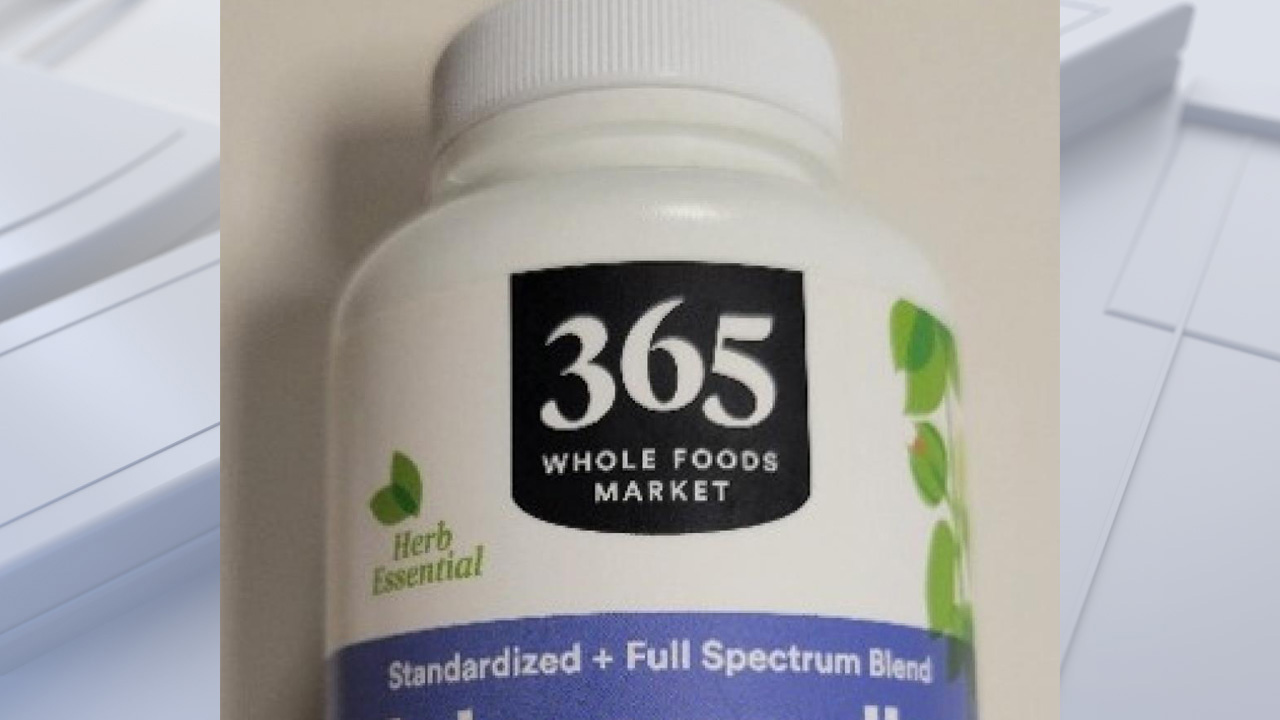
As shoppers peruse the aisles of Whole Foods in Edina, a recent recall has cast a shadow over the health-conscious community. The popular 365 Whole Foods brand has pulled its supplement from shelves due to potential salmonella contamination, raising concerns among local consumers who prioritize their health. The timing of this recall is particularly sensitive as many residents are focused on boosting their immunity during the fall season, making the availability of safe supplements critical.
The recall was initiated after tests indicated that the 365 Whole Foods' product might be tainted with salmonella, a bacterium that can cause serious infections. The affected supplement was sold at Whole Foods Markets nationwide and online through Amazon. Customers who purchased the product are advised to return it for a full refund. The specific product details, including the lot number and expiration date, have been made available on the Whole Foods website to assist consumers in identifying the affected items.
As of now, there have been no reported illnesses linked to the contaminated supplement. However, the company is taking preventive measures to ensure customer safety. In a statement, 365 Whole Foods emphasized their commitment to quality and the rigorous testing protocols they have in place. This incident has prompted the company to review and enhance their testing procedures to prevent similar occurrences in the future.
Salmonella can lead to symptoms such as fever, diarrhea, and abdominal cramps, typically appearing six hours to six days after infection. While most healthy individuals recover without treatment, severe cases can lead to hospitalization, particularly among vulnerable populations such as the elderly, children, and those with weakened immune systems. This is particularly concerning for the Edina community, where many residents prioritize health and wellness, often opting for supplements to enhance their diets.
According to the Centers for Disease Control and Prevention, salmonella is one of the leading causes of foodborne illness in the United States. The agency advises consumers to remain vigilant about food safety practices, especially when it comes to supplements and health products. Community members are reminded to wash their hands regularly, store food properly, and stay informed about product recalls.
The announcement of the recall has sparked concern among Edina residents. Many shoppers who frequent Whole Foods for its organic and health-oriented products are now questioning the safety of their purchases. “I always thought I was buying the best for my family,” said local mother Sarah Johnson. “It’s alarming to hear that something I trusted could be contaminated.” Sarah's sentiment resonates with many in the community who have invested time and effort into making healthier choices.
Local health officials are urging residents to stay informed and report any adverse reactions they may experience. “We want to ensure that our community feels safe and supported,” said Edina Public Health Director, Dr. Emily Tran. “We’re here to help answer questions and provide guidance on food safety.” Dr. Tran and her team have been proactive in disseminating information about the recall through social media and community newsletters, aiming to alleviate fears and provide clarity.
The recall may also have implications for local businesses that sell similar health products. According to the Edina Chamber of Commerce, many local retailers are already feeling the effects of the recall. “Customers are more hesitant to purchase supplements right now,” said Chamber President Mark Thompson. “It’s a challenging time for our health-focused businesses.” Many small retailers are reporting a decline in sales as consumers become more cautious about their health purchases.
As local shops navigate the fallout from the recall, they are emphasizing transparency and customer education. Many are hosting workshops on food safety and proper supplement usage to reassure their clientele and maintain trust. These workshops, often led by nutritionists and health professionals, aim to educate consumers on how to read labels, understand supplement ingredients, and recognize potential risks. Local businesses are also collaborating with health officials to provide accurate and timely information to the community.
For those who purchased the affected supplement, 365 Whole Foods has provided clear instructions on how to proceed. Customers are encouraged to check their pantry for the product, which can be identified by its packaging and the lot number. If found, consumers should return it to the place of purchase for a full refund. This process is designed to be straightforward to minimize inconvenience for customers.
In addition, residents can report any health issues related to the product to the local health department. The Edina Public Health Department can be reached at their website for more information on how to report concerns. This proactive approach not only helps track potential health issues but also assists in preventing future incidents. The health department is also providing a hotline for residents to call with questions regarding the recall.
As the community grapples with the repercussions of the recall, the focus is shifting towards ensuring that such incidents do not happen in the future. Local health officials are advocating for stricter regulations regarding supplement testing and labeling to protect consumers. There is a growing call for increased transparency from supplement manufacturers about their sourcing and testing practices.
“We need to prioritize consumer safety above all else,” Dr. Tran stated. “It’s essential that we hold companies accountable for the products they sell.” This sentiment has sparked discussions among community leaders about potential policy changes that could enhance food safety standards at the local and state levels.
In the wake of this recall, Edina residents are reminded of the importance of being vigilant about their health choices. As the community rallies together to support one another, the hope is that lessons learned from this incident will lead to better practices and safer products in the future. The incident has also highlighted the need for ongoing education about food safety, and many community members are advocating for workshops and seminars on the topic to ensure that everyone is informed and prepared.
By Marcus Chen
By Marcus Chen

By Katherine Langford

By Katherine Langford